N in Morse Code (-•): Symbol, Audio and Timing
The letter N is one of the first characters most beginners learn after the basics, and for good reason. Its Morse pattern is short, its rhythm is distinctive, and it happens to be the exact mirror image of another extremely common letter. Convert any letter or phrase instantly with our free Morse code translator.
If you’ve searched for how to write, hear, or send N in Morse code, this guide covers everything: the symbol itself, how it sounds, its timing structure, and the fastest way to lock it into memory.
What Is N in Morse Code
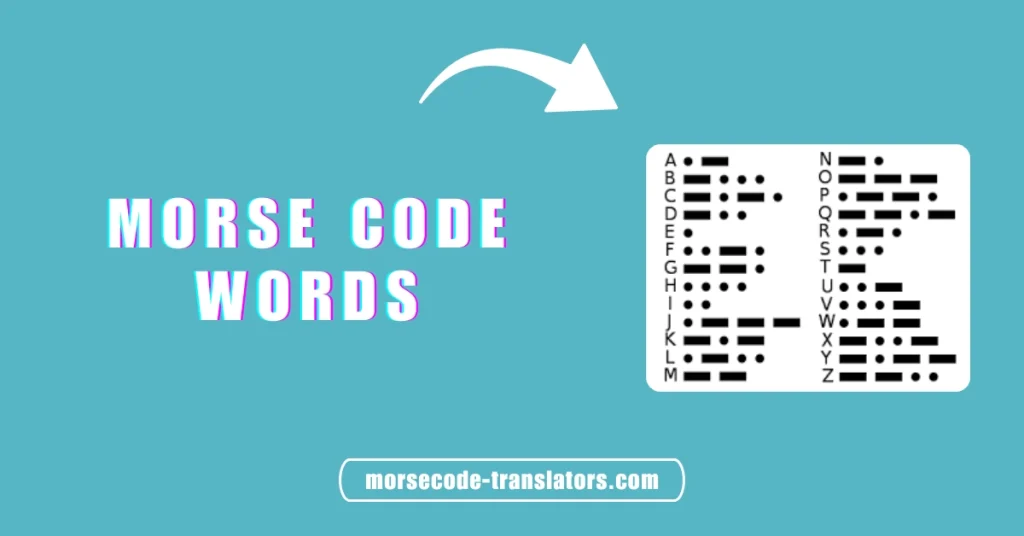
The Morse code for the letter N is a dash followed by a dot, written as — ·. It’s one of the shorter letter codes in the entire alphabet, using only two signals total, which makes it one of the quicker letters to both send and recognize once you’ve learned it. See how N fits with every other letter in the Morse code alphabet A to Z.
The Symbol Breakdown
Breaking down — · into its two parts: the first signal is a dash, a longer tone or flash, and the second signal is a dot, a short tone or flash. Together, these two signals form the complete code for N, with a brief pause separating them from any surrounding letters.
How N Compares to Other Short Letters
N is one of several two-signal letters in the Morse alphabet, sharing that trait with A (dot-dash), I (dot-dot), M (dash-dash), and a handful of others. Because there are only four possible two-signal combinations, N stands out clearly once you’re familiar with its rhythm, since there’s little room for confusion among such a small group.
The Spoken Rhythm of N
Reading — · off a page rarely helps it stick in memory. Hearing it, and speaking it back out loud, works far better. Digits follow a different five-element pattern, explained in our guide to Morse code numbers.
"DAH-dit" — The Sound of N
The spoken rhythm for N is “DAH-dit,” with the emphasis on the first, longer syllable followed by a short, clipped second syllable. Practicing this out loud, rather than just visually reading the dot-dash pattern, is one of the most effective ways to commit the letter to long-term memory, since rhythmic sound patterns are processed and retained differently by the brain than static visual symbols.
Practicing the Rhythm Yourself
Try saying “DAH-dit” out loud five times in a row, then say the word “no” and picture the N sound leading into it. Associating the rhythm with a real word that starts with the same letter can help reinforce the pattern faster than repetition alone.
N and T: A Mirror Pair Worth Knowing
One of the most useful shortcuts in learning Morse code is recognizing mirror pairs, letters whose codes are exact reversals of each other. The letter N appears in famous signals like SOS in Morse code.
Why N and A Are Connected
N (— ·) is the exact reverse of A (· —). This means that once you’ve learned one of these two letters, you effectively already know the shape of the other, just flipped. Recognizing this relationship early can cut your memorization time in half for both letters, since your brain only needs to store one pattern and remember to reverse it.
Using Mirror Pairs to Learn Faster
Mirror pairs are one of the most efficient shortcuts in the entire Morse alphabet. Instead of treating N and A as two unrelated codes to memorize separately, understanding that they are reverse images of each other means every dash-dot pattern you master effectively teaches you its dot-dash counterpart as well.
Timing Rules for Sending N Correctly
Getting the code right isn’t just about knowing which signals to use, it’s also about sending them with the correct timing. Short letters like N are the best starting point if you want to know how to learn Morse code.
Unit-Based Timing for N
In standard Morse timing, one dot equals one unit of time, and one dash equals three units. Applying this to N, the dash takes three units, followed by a one-unit gap, then the dot takes one unit. A short gap of one unit separates the two signals within the letter, while a longer three-unit gap follows before the next letter begins.
Why Timing Precision Matters
If the dash in N is sent too short, it can easily be mistaken for a dot, turning your intended N into something else entirely. Consistent timing is what separates clean, readable Morse code from a garbled sequence of signals that’s difficult or impossible to decode accurately.
Common Words and Phrases Using N
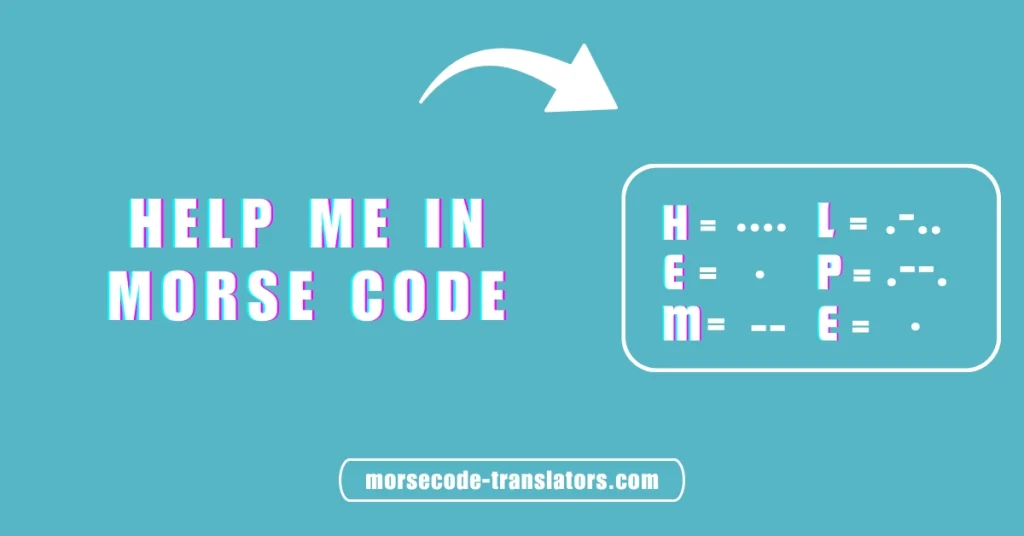
Since N appears frequently in English, seeing it in context can help reinforce the pattern faster than studying the letter in isolation. Practise it inside a real distress phrase such as help me in Morse code.
Practicing N in Real Words
Words like “no,” “and,” “on,” and “in” all include the letter N, and typing these into a Morse code translator to hear the full sequence played back can help you recognize how N sounds when it’s surrounded by other letters, rather than played on its own.
N as a Standalone Signal
While N is most commonly used as part of longer words, hearing it played by itself first is still the best starting point before jumping into full sentences. Isolating the letter allows you to internalize its exact rhythm without any surrounding signals creating confusion.
How to Practice N Using a Morse Code Translator
The fastest and most reliable way to learn any single letter, including N, is through repeated audio practice rather than visual memorization alone. You can also spot N while tapping out hello in Morse code.
Type, Play, and Listen
Type the letter N into a Morse code translator, press play, and listen closely to the DAH-dit rhythm. Repeating this multiple times in a row, ideally with your eyes closed, helps train your ear to recognize the pattern independent of any visual chart.
Adjusting Speed for Beginners
If you’re just starting out, slow the playback speed down significantly, ideally to around 5 words per minute, so each signal is clearly distinguishable. As you become more comfortable recognizing N by ear, gradually increasing the speed will help you prepare for real-world Morse communication, which typically moves much faster than beginner practice settings.
Using Farnsworth Spacing for Better Retention
Setting a lower Farnsworth speed than your overall character speed gives your brain extra processing time between letters while still hearing each individual signal, including N, played at its correct real-world rhythm. This approach helps prevent the common beginner mistake of learning a slowed-down version of the sound that doesn’t match how Morse code actually sounds at standard operating speeds.
Why Learning Individual Letters Like N Matters
It might seem like overkill to study a single letter in this much depth, but mastering individual characters is exactly how fluent Morse code operators build their skills.
Building Blocks for Full Fluency
Every word, sentence, and message in Morse code is ultimately just a sequence of individual letters like N strung together. Solidifying your recognition of each letter on its own, rather than rushing through the entire alphabet at once, creates a stronger foundation for decoding full messages accurately and quickly later on.
Avoiding the Most Common Beginner Mistake
Many beginners try to memorize all 26 letters simultaneously using a visual chart, which often leads to letters blending together and confusion between similar patterns. Focusing on a small number of letters at a time, including standout examples like N with its clear mirror-pair relationship to A, tends to produce far better long-term retention.
Frequently Asked Questions
What Is the Morse Code for N?
The Morse code for N is a dash followed by a dot, written as —
How Do You Pronounce N in Morse Code?
N is spoken as “DAH-dit,” with a longer emphasis on the first sound followed by a short, quick second sound.
Is N a Difficult Letter to Learn in Morse Code?
No. N is one of the shorter, simpler letters in the Morse alphabet, using only two total signals, which makes it one of the easier letters for beginners to pick up quickly.
What Letter Is the Reverse of N in Morse Code?
The letter A (· —) is the exact reverse of N (— ·), making them a mirror pair that’s efficient to learn together.
How Long Should the Dash Be When Sending N?
The dash in N should last exactly three times as long as a dot, following the standard 1:3 timing ratio used throughout Morse code.
Final Thoughts
N is a short, simple, and highly practical letter to master early in your Morse code learning journey. With its distinct DAH-dit rhythm and its useful mirror-pair relationship to the letter A, N offers an efficient entry point for building broader Morse code fluency.
Practicing it through audio playback, adjusting your speed as you improve, and reinforcing it within real words will help this letter become second nature far faster than simply memorizing its dash-dot symbol on a page. For a longer timing exercise, try I love you in Morse code.